


The formative years in Communist Poland
You can take the girl out of Warsaw, but you can't take Warsaw out of the girl. I have now spent a larger portion of my life living in Australia, but who I am; the person I became, began this journey in Warsaw, and this part of me can never be removed from the fabric of my soul. Neither can my love of nature and my connection to God. A connection that transcends religious dogma and expectations, and one that is seen in the world around me; from the leaf that falls gently to the ground, to music and its expression of the soul.
I have strong memories of my childhood in Poland, much to the surprise of many, given my young age. Perhaps it was my artistic mind, or perhaps it was the trauma of that time that imprinted itself upon every fibre of my being. A trauma, that compared to others, pales in significance, but which helped to shape the woman I am now. For better or for worse.
Each city has its own particular energy, it's own rhythm, its own heart. Warsaw was a mix of grey communist style blocks and half demolished post war buildings, awaiting to be reborn and interspersed with the sounds of barking dogs, of vendors selling their wares, or of rugs being beaten free of dust by somebody's mother in the courtyard. With that backdrop, there was also an underlying fear of the Communist system that seemed to pervade every aspect of our lives, and the vivid memories of battles fought during WWII. Memories which were encouraged through movies, songs and the stories told by our grandparents. Stories which galvanised our national pride around the common goal of hating the enemy. Our grandparents had lived it, our parents built the Communist utopia that followed, and we were the generation that grew up with both their battles still raging in our blood, while watching them try to hold their own shattered lives together, and seeing their dreams turn to dust.
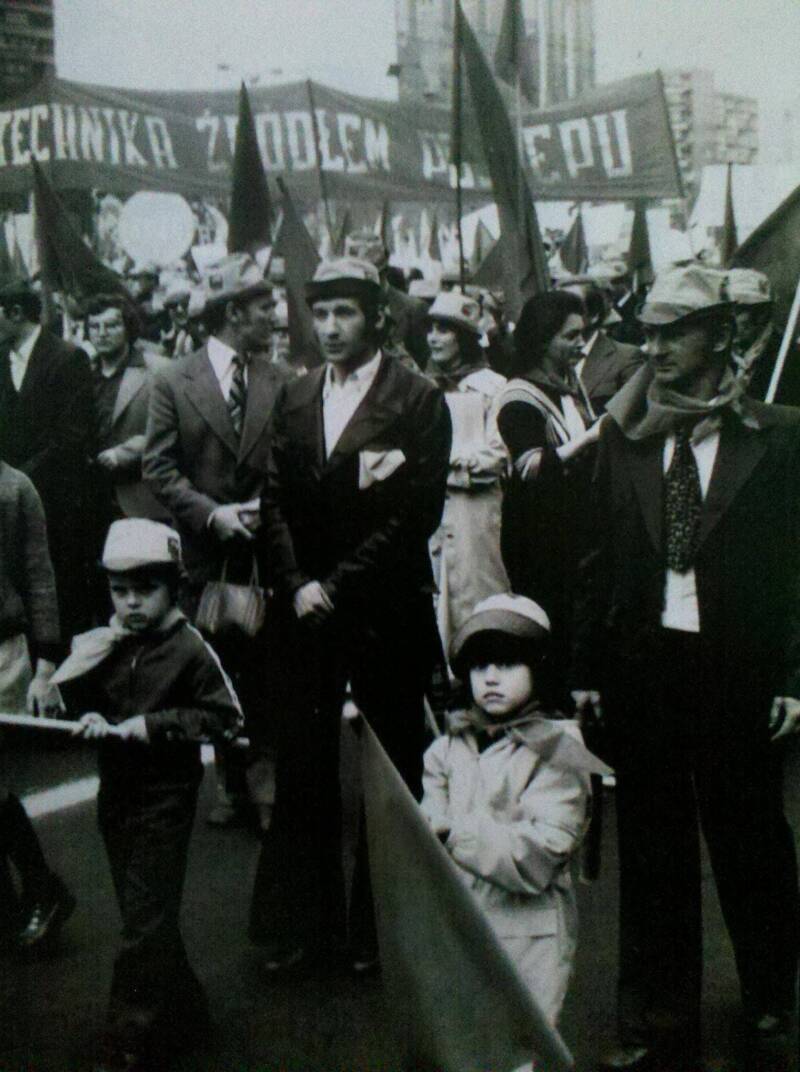
There were the hushed tones and murmurs, sometimes spoken while the adults gathered around the table, half burnt cigarettes in hand, a vodka or beer bottle in front; flirting occasionally with the topic of our oppression and the hope that one day we would be free. Those hushed words would be quickly swept up even before the cigarette ash gathering on the table, lest an unintended ear would catch wind. We learnt to speak in codes and sent letters with hidden messages and meanings to our loved ones who happened to be "zagranicą - abroad". Alcohol was all pervasive and always present, and it was not unusual to see some adult laying on the frozen ground in the middle of winter, and yet somehow miraculously defying death. Like the Communism, it was an uncomfortable topic that no one wanted to talk about, something that was a part of the everyday fabric of life.
We all knew that neighbour who had crossed that line beyond the casual everyday drinking into co-dependence; beyond the binge drinking that made our parent's lives more bearable. How could we not? they provided us with the regular song of voices raised, demanding an accounting of where the money had gone, where they had been for the past three days and why was the electricity not paid.
Drifting from behind closed doors, the symphony would sometimes be complemented with the creak of opening doors and enquiring heads peeking out into to the foyer, straining the ear to check if one, or both were still alive. Silence...then the sound would come, a slight lowering of voices, the shuffling of guilty feet mixed with the sounds of pots and pans being placed on a stove a little too aggressively, signifying a temporary truce.
Being reassured thus, our heads would retreat back like a tortoise returning to the shelter of its shell. We understood what it meant when we saw that boy or girl of our age getting themselves ready for school on their own each day, we understood the emptiness of their stomachs and the quiet shame that was pushed back each day with a face set to resolute dignity. We understood that maybe next time it would be our turn to regale our neighbours with that symphony. We understood a lot at our young age, and it gave us a will to survive.